
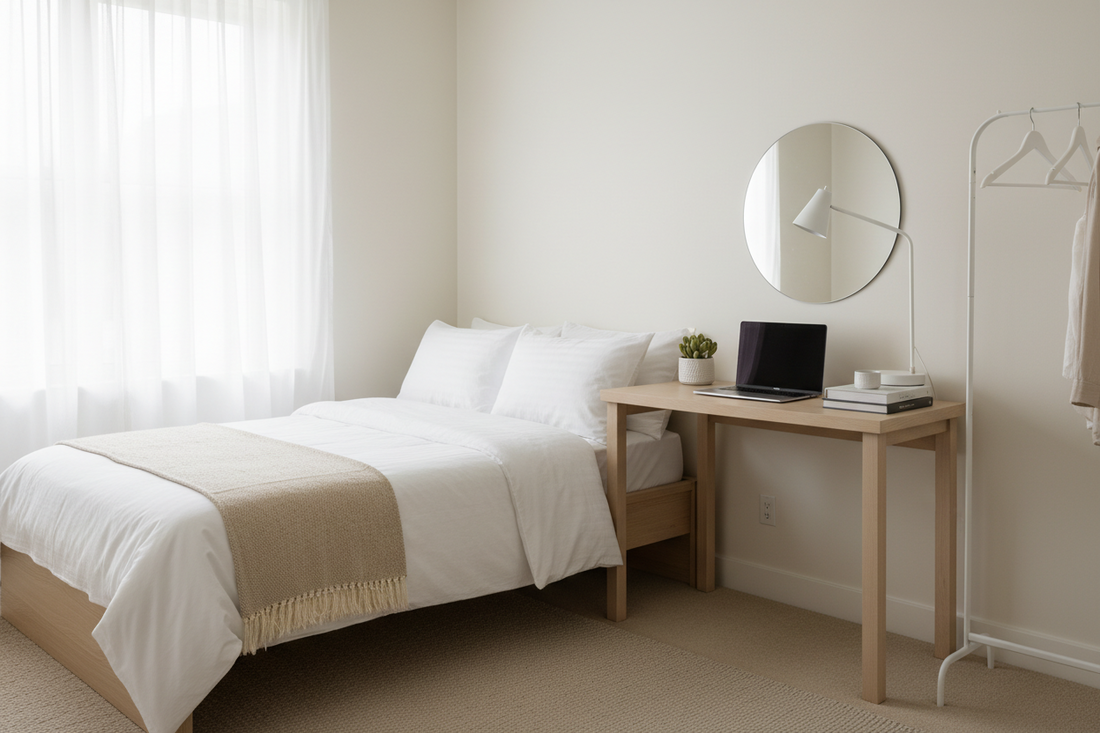
Moving into a dorm room is exciting — a new chapter, new routines, new independence. But between shared spaces, stressful schedules, and unfamiliar environments, sleep is often one of the first things to suffer.
And while most students focus on school supplies, mini fridges, and storage bins, very few think about the actual environment they’ll be sleeping in every night.
The truth is, dorm room sleep setups are rarely designed with comfort, breathability, or wellness in mind.
The Reality of Dorm Mattresses
Most dorm mattresses are made to be durable and inexpensive — not necessarily comfortable or breathable.
Many are:
- Thin and overly firm
- Made with synthetic foams and vinyl covers
- Used by multiple students over the years
- Poor at airflow and temperature regulation
This is one reason so many students wake up feeling overheated, restless, or uncomfortable after moving into residence.
Why Sleep Matters More Than Ever
Starting school often means:
- New routines
- Increased stress
- Late nights
- More screen time
- Shared living environments
During times of transition, quality sleep becomes even more important for:
- Focus and concentration
- Mood regulation
- Recovery and immune health
- Energy levels
- Managing stress and anxiety
A healthier sleep environment can make a surprisingly big difference during such a major life adjustment.
The Hidden Problem with Synthetic Bedding
Dorm rooms tend to get warm, stuffy, and poorly ventilated — especially during late summer and early fall.
Synthetic bedding materials can make this even worse by trapping heat and moisture throughout the night. Polyester sheets, foam toppers, and heavy synthetic comforters may initially seem convenient, but they often create an overheated sleep environment over time.
In smaller shared rooms, airflow matters more than people realize.
Small Upgrades That Can Improve Dorm Sleep
You don’t need to completely redesign a dorm room to make sleep more comfortable. A few intentional choices can go a long way.
A Breathable Mattress Topper
A quality topper can help soften firm dorm mattresses while creating a more comfortable sleep surface. Breathable materials tend to feel fresher and less stuffy than dense synthetic foams.
A Washable Mattress Protector
Dorm mattresses are shared over many years, making a mattress protector one of the smartest additions students can bring.
Lightweight, Breathable Bedding
Choosing breathable sheets and lighter bedding can help regulate temperature and improve comfort in smaller rooms with limited airflow.
Better Airflow
Even small fans, cracked windows, or compact air purifiers can help improve dorm room air quality and circulation.
Creating a Space That Feels Calming
Dorm life can feel overstimulating. Between shared spaces, noise, screens, and constant activity, creating a sleep environment that feels calming matters more than ever.
Simple habits can help:
- Keeping lighting softer at night
- Reducing clutter around the bed
- Washing bedding regularly
- Creating small nighttime routines
- Limiting screens before sleep when possible
Even in a small dorm room, the environment surrounding your bed affects how deeply you rest.
Better Sleep Helps Support the Entire School Year
College and university life are demanding enough without poor sleep added to the mix.
While students can’t always control schedules, roommates, or stress levels, they can improve the environment they return to every night.
Because sometimes the difference between waking up exhausted or feeling restored starts with creating a healthier place to sleep — even in a tiny dorm room.