
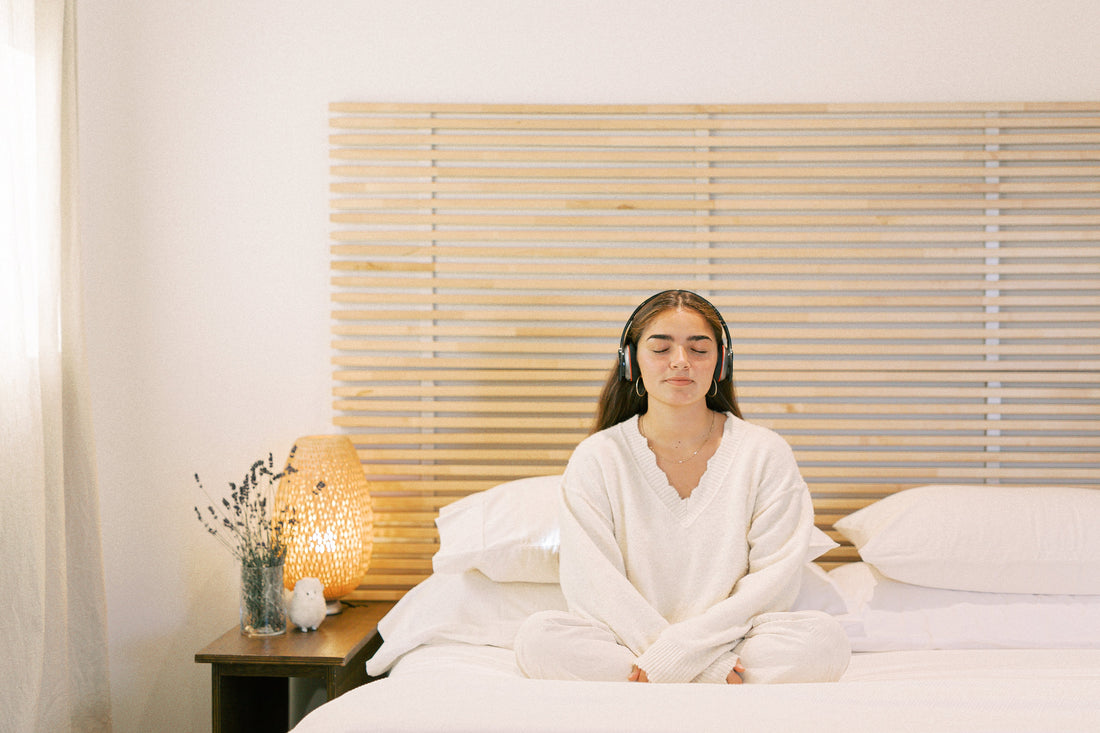
When people hear the word “biohacking,” they often think of expensive gadgets, complicated supplements, or extreme wellness routines. But some of the most effective ways to support sleep are actually much simpler — and start with the environment surrounding you every night.
Your bedroom affects everything from temperature regulation and nervous system balance to melatonin production and overall sleep quality. And while wearable trackers and sleep apps continue to grow in popularity, many people are overlooking the foundational habits and environmental factors that influence how deeply they actually rest.
Your Environment Shapes Your Sleep
The body responds constantly to its surroundings — especially at night.
Light exposure, air quality, temperature, noise, clutter, and even the materials touching your skin all send signals to your nervous system throughout the evening.
When the environment feels overstimulating, too bright, too warm, or uncomfortable, it becomes harder for the body to fully shift into a restful state.
On the other hand, a calmer, darker, cooler environment naturally supports deeper sleep.
Light Is One of the Biggest Sleep Signals
Modern lighting has dramatically changed how we sleep.
Bright overhead LEDs, phones, televisions, and screens expose us to artificial blue light long after sunset, which can interfere with melatonin production — the hormone responsible for helping the body feel sleepy.
Simple changes can make a surprisingly noticeable difference:
- Dimming lights earlier in the evening
- Using warmer-toned lighting at night
- Reducing screen exposure before bed
- Getting natural sunlight exposure during the day
Many people are also incorporating red light lamps or warmer ambient lighting into their nighttime routines to create a calmer sleep environment.
Temperature Matters More Than Most People Realize
Your body naturally cools itself as it prepares for sleep. Bedrooms that are too warm, stuffy, or poorly ventilated can interfere with this process and lead to lighter, more restless sleep.
This is one reason many people wake up:
- Overheated
- Sweaty
- Congested
- Restless during the night
Breathability and airflow matter far more than excessive warmth or heavy bedding.
The Hidden Role of Bedding and Materials
One of the most overlooked parts of sleep optimization is the actual environment your body is spending hours in every night.
Synthetic materials often trap heat and moisture, while breathable natural fibres tend to allow for better airflow and temperature balance.
Your pillow, sheets, mattress, and bedding directly affect:
- Temperature regulation
- Comfort
- Moisture balance
- Airflow throughout the night
Sometimes improving sleep has less to do with adding more “sleep products” — and more to do with simplifying the environment itself.
Air Quality and Nervous System Regulation
Fresh air, cleaner spaces, and calmer environments can also influence how relaxed the body feels before sleep.
Many people today are becoming more mindful of:
- Bedroom air quality
- Synthetic fragrances
- Clutter and overstimulation
- Noise levels
- Evening routines
Even small changes like opening windows during the day, reducing clutter, or creating softer lighting can help make a bedroom feel noticeably calmer.
Sleep Optimization Doesn’t Need to Be Complicated
There’s nothing wrong with sleep trackers, supplements, or wellness tools — but many people skip over the basics while searching for more advanced solutions.
Often, the most effective “sleep biohacks” are surprisingly simple:
- Consistent sleep schedules
- Cooler bedrooms
- Breathable bedding
- Reduced evening light exposure
- Better airflow
- Calmer nighttime routines
The body already knows how to sleep well when the environment supports it properly.
The sleep industry often pushes people toward more products, more supplements, and more tracking. But in reality, some of the biggest improvements in sleep quality come from creating a bedroom environment that works with your body instead of against it.